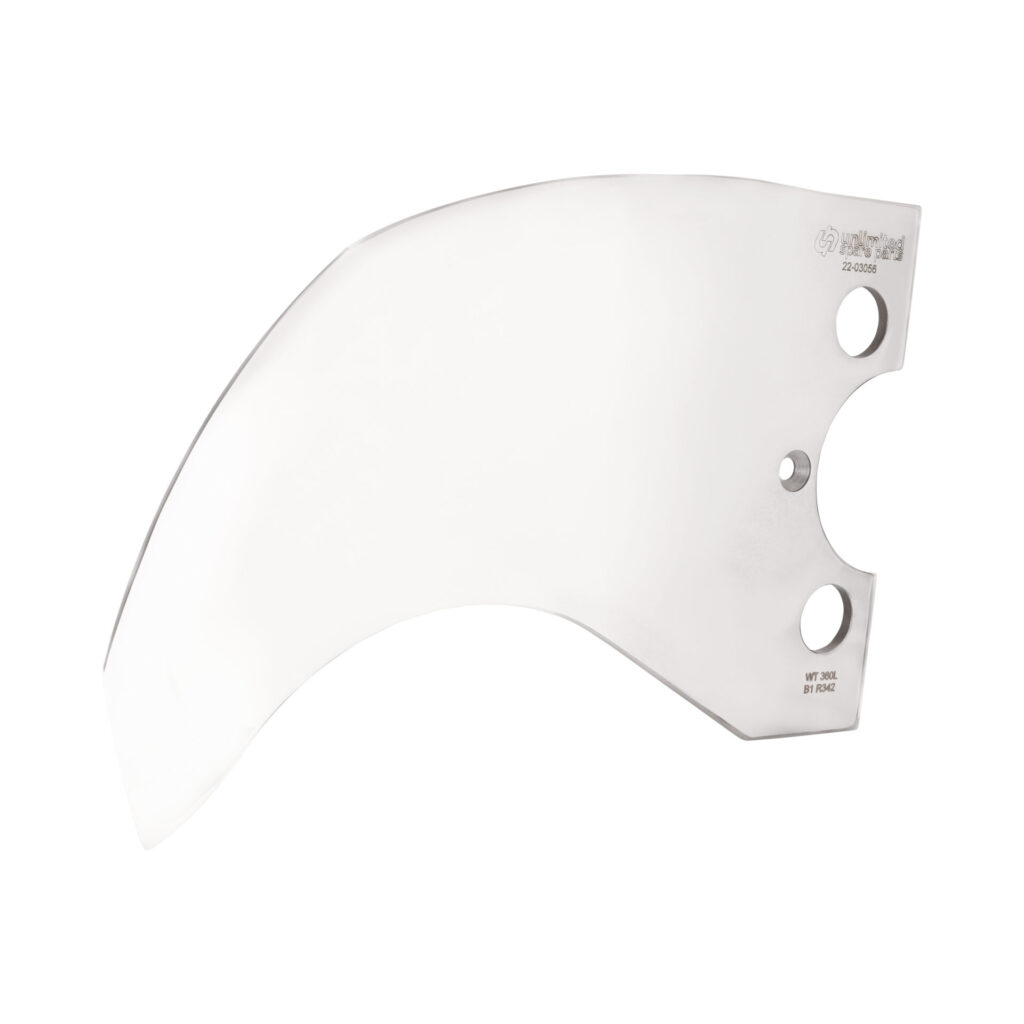
Everything about sharpening and maintaining a meat cutting machine blade

In butcher shops and the meat processing industry, a meat cutting machine blade must cut with precision and reliability to ensure consistent end results. The sharpness and quality of the blade directly determine the cutting quality, the efficiency of the machine, and the appearance of the final product.

A meat cutting machine blade is therefore an essential component in the cutting process of meat products. On this page, you can read more about sharpening, maintaining and replacing it.

Industrial meat cutting machine blade

Within the food processing industry, different types of blades are used depending on the type of machine and the product being cut. A meat cutting machine blade, for example, is used in slicers and portioning machines for cold cuts, ham and other meat products. Wensing specialises in industrial blades and sharpening technology. This enables us to professionally sharpen, maintain or replace any blade.

Sharpening a meat cutting machine blade

Over time, a meat cutting machine blade loses its sharpness due to intensive use. When a blade becomes blunt, this can lead to increased cutting resistance, a less precise cut and additional strain on the machine. At Wensing, industrial knives and blades are sharpened with great precision. Correct sharpening restores the original cutting angle, allowing the blade to perform optimally again. Regular sharpening therefore ensures that a meat slicer blade lasts longer and that the cutting process remains efficient.

Meat cutting machine blade

How do I maintain my meat cutting machine blade?

Proper maintenance extends the lifespan of the blade and contributes to consistent cutting quality. In meat processing, it is important that a blade is always sharp and well balanced. By having a meat cutting machine blade periodically inspected and sharpened, the cutting performance of the machine remains stable. This prevents unnecessary wear on the machine and ensures that meat products are sliced cleanly and evenly.

Frequently asked questions

Blade selection depends on the machine, type of meat, product temperature, required slice or portion size and production speed. The blade dimensions and mounting must match the machine, while the geometry and material should suit the cutting application. Fresh, chilled and frozen meat may require different solutions.

Yes. Product temperature and structure affect cutting resistance and how the meat behaves during slicing or portioning. A blade that performs well on fresh meat is not necessarily the best choice for a firm or frozen product. Blade geometry, material and machine settings should therefore be matched to the actual product conditions.

The blade should be cleaned according to the machine manufacturer’s instructions and the applicable hygiene procedures. The cutting edge should also be inspected regularly for wear, damage or corrosion. Correct cleaning, handling, installation and sharpening all help maintain consistent cutting performance.

Signs of a dull blade can include poorer cut quality, tearing, higher cutting resistance, inconsistent portions or increased product loss. A blade can usually be resharpened while its required geometry and dimensions can still be restored. Cracks, severe edge damage, deformation or insufficient remaining material can make replacement necessary.

Knives that come into contact with food must be suitable for their intended food-contact application. Materials and surfaces should withstand the production and cleaning conditions and allow effective cleaning. Corrosion, damage, cracks and other areas where product residues can accumulate should be prevented as far as possible.